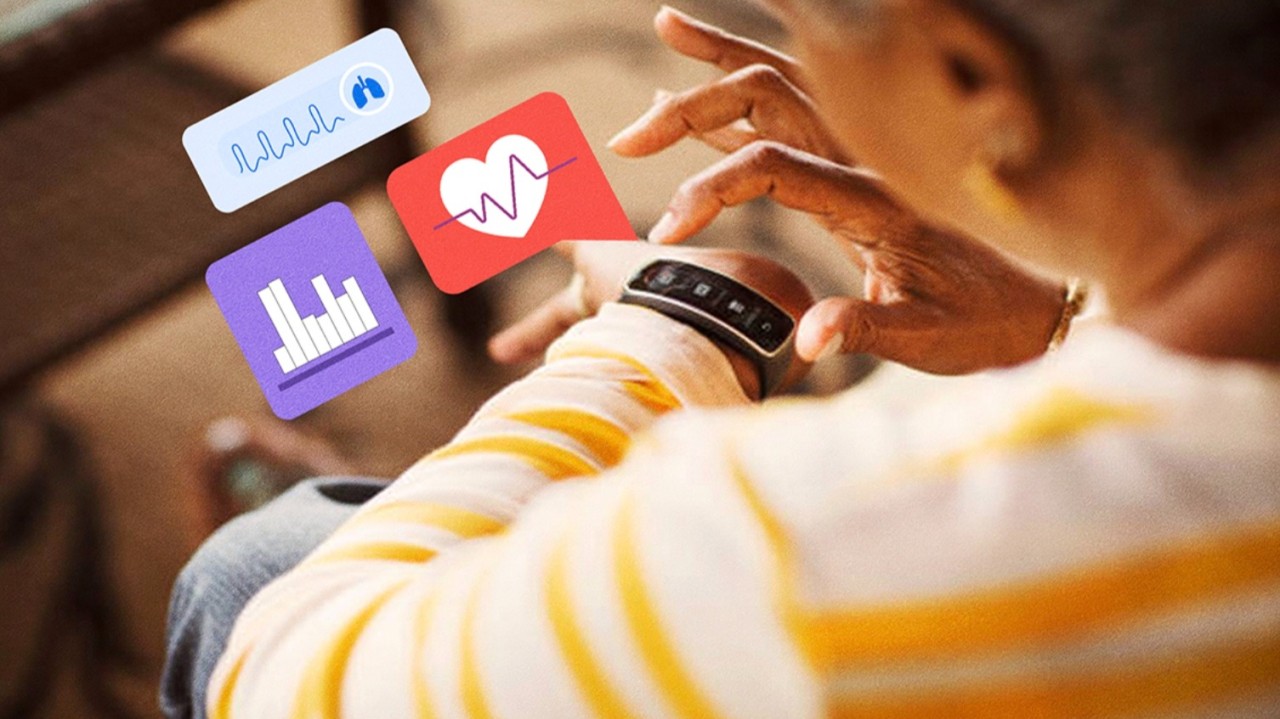



I spend a lot of time looking at technology designed to help seniors remain independent, and there are some impressive products entering the market. We now have technology that can detect falls, recognize changes in someone’s normal routine, remind people to take medications, monitor certain health information, make homes easier to manage, provide transportation, simplify communication, and help families stay connected from hundreds or even thousands of miles away.
There is a lot to be excited about, but the more I look at AgeTech, the more I find myself asking a fairly basic question: Who are we designing all this technology for? Is it primarily for the senior who will be living with it every day, or is it for the adult child who wants reassurance that Mom or Dad is okay?
There is an important difference between the two, and I don’t think the aging industry talks about it enough.
Peace of Mind Can Look Very Different from the Other Side
Consider a common situation. Mom is 82, lives alone, and wants to stay in the home she has lived in for decades. Her daughter lives several hours away and worries about her. Did she get up this morning? Did she take her medication? Has she eaten? Did she leave the house today? What happens if she falls and no one knows?
Technology can now answer many of those questions. Motion sensors can identify activity in the home. Medication dispensers can send notifications when medication is not taken. Wearables can detect falls. Door sensors can indicate whether someone has left the house. Some systems can even learn a person’s normal daily routine and alert family members when something changes.
For the daughter, that information can provide tremendous peace of mind. She doesn’t have to call Mom several times a day or wonder whether everything is okay. From Mom’s perspective, however, the same technology may feel very different. She may wonder why anyone needs to know when she gets out of bed, when she opens the refrigerator, or whether she went outside that afternoon. She may not want to explain why she took her medication an hour later than usual or why she decided to spend Tuesday at home instead of going out.
Neither person is necessarily wrong. The daughter is concerned about someone she loves, while Mom is trying to continue living her life without feeling as though she is being monitored. That tension is going to become increasingly important as technology becomes more capable of observing what happens inside our homes.
Seniors Are Already Using Technology
There is still a tendency to talk about seniors and technology as though the two do not naturally go together. That view is becoming increasingly outdated. Today’s older adults use smartphones, tablets, patient portals, online banking, streaming services, video calls, smart televisions, navigation apps, social media, and voice assistants. Many are also beginning to experiment with artificial intelligence.
AARP’s 2026 technology research found that 90 percent of adults age 50 and older own a smartphone, and half use at least one smart home technology. Sixty six percent said technology enriches their lives and makes aging easier. Generative AI use among adults over 50 has also been growing quickly.
The issue is not simply whether seniors are willing or able to use technology. A better question is whether the technology provides enough value to make it worth using. That distinction matters because seniors are often described as the users of AgeTech when many products are marketed just as heavily to their adult children.
The Person Buying the Technology May Not Be the Person Living with It
This creates an unusual situation for AgeTech companies. They may have two very different customers.
An adult daughter may be the person searching online for a monitoring system, comparing products, paying for it, and installing it. She wants alerts, information, and reassurance. Her father, who will live with the technology, may want something entirely different. He may want it to stay out of his way.
That can create a fundamental design problem. If a product is designed primarily around the concerns of the adult child, it may technically work very well while still failing the person who must live with it.
I think every company developing technology for aging should ask two separate questions: Will the family buy this, and will the senior want this in their life? Those are not always the same thing.
Independence Is About More Than Staying Home
We use the word independence constantly when talking about aging in place. Technology is often promoted to help seniors remain independent longer, and in many cases it absolutely can. But we need to be careful about how we define independence.
If technology allows someone to remain physically alone in their home while other people can see virtually everything they are doing, is that really the kind of independence the person wants?
For most of us, independence is not simply about where we live. It includes being able to make ordinary decisions without explaining ourselves. It includes privacy and control over our personal information. It includes deciding where we go, what we do, and who knows about it. Those things do not suddenly become less important because someone turns 75 or 85.
There will certainly be situations where someone’s health or cognitive abilities require greater involvement from family members. But age alone should not be the reason we assume someone is comfortable giving up privacy.
Just Because We Can Collect the Information Does Not Mean We Need It
Technology is becoming remarkably good at collecting information about everyday life. Depending on the system, technology can potentially identify when someone wakes up, whether they opened the refrigerator, how often they use the bathroom, how much they slept, where they went, how quickly they are walking, whether they took their medication, and whether their normal routine has changed.
Some of that information can be extremely useful. A significant change in someone’s daily routine may be an early indication that something is wrong. A fall detection system can get help to someone quickly. A medication system can prevent a serious mistake.
But there is a big difference between collecting information because it serves a clear purpose and collecting it simply because the technology allows us to. If the concern is falling, perhaps the family needs a fall alert rather than detailed information about someone’s movements throughout the day. If medication is the concern, perhaps an alert after several missed doses is more appropriate than notifying a family member every time a pill is taken fifteen minutes late. The goal should not be maximum visibility. It should be the right amount of information for the situation.
Seniors Should Have a Say in What Is Being Shared
One of the things I would like to see more of in AgeTech is meaningful control for the senior using the product. That means more than agreeing to have a device installed.
Does the person understand what information is being collected? Do they know who can see it? Can they decide which family members receive alerts? Can they turn certain features off? Can they change those choices later? These questions are going to become even more important as artificial intelligence and passive monitoring become more sophisticated.
Of course, there are situations involving significant cognitive impairment where someone legally authorized to make decisions may need to take a larger role. But we should not begin with the assumption that because someone is older, their children should automatically have access to information about their daily life. Whenever possible, the senior should be part of the decision.
What Does the Senior Get from the Technology?
This is one of the questions I think we should ask more often.
What does the senior get?
A smart home system that automatically turns lights on at night can reduce fall risk, but it also makes the home easier to navigate. Voice technology can allow someone with mobility limitations to control lights, temperature, music, television, and communication. A video doorbell can improve safety while making it easier to see who is at the door. Transportation technology can make it easier to continue getting around after someone stops driving.
Those technologies provide direct value to the senior. Even monitoring technology can do this. A fall detection device may give someone more confidence to take a walk alone. A wearable may make someone more comfortable traveling or exercising because they know help is available if something happens.
That feels very different from installing technology whose primary purpose is allowing someone else to watch. The best AgeTech should provide value to both sides. Families can have greater peace of mind while seniors receive something that makes their own lives safer, easier, or more independent.
Technology Cannot Tell Us Everything
There is another issue that I think is easy to overlook. As monitoring technology gets better, there is a risk that we begin confusing information with connection.
Knowing that Mom walked into the kitchen this morning does not tell you how she is doing. Seeing that Dad took his medication does not tell you whether he is lonely. Knowing that someone has not fallen does not tell you whether they still have friends, activities, or something to look forward to.
Technology can provide signals. It cannot tell us the entire story.
This is especially important as we look for ways to support the growing number of seniors who live alone. Technology can absolutely make living alone safer and easier, but I don’t think we want to create a future where someone is surrounded by sensors, devices, and artificial intelligence while becoming increasingly disconnected from other people. Technology should help strengthen human relationships, not become a substitute for them.
Families Need to Think About Boundaries Too
Technology companies are not the only ones responsible for getting this right. Families need to think carefully about what they do with the information they receive.
Imagine that Dad normally takes his medication around 8:00am in the morning and one day takes it at 9:15am. Does that require a phone call? If Mom normally goes out on Tuesday mornings and stays home one week, does someone need to ask why?
If every small deviation results in a call from an adult child, technology can unintentionally change the relationship between parent and child. The adult child becomes the monitor, while the parent begins feeling as though ordinary decisions require an explanation.
Before installing monitoring technology, families should have a conversation about boundaries. What information matters? What should generate an alert? When should someone call? What constitutes an emergency, and what is simply a normal variation in someone’s day?
These conversations may be just as important as choosing the technology itself.
AgeTech Needs to Be Designed with Seniors
AARP’s research has found that many older adults still feel technology is not designed with people their age in mind. I don’t think the solution is simply making buttons bigger or creating a “senior version” of every product. The better solution is involving older adults much earlier in the design process.
Would they wear the device? Will they remember to charge it? Do they want it sitting in their home? Does it solve a problem they care about? Can they understand the privacy controls? What happens when something stops working? Can they get support without relying on their children?
These are difficult questions to answer in a product development meeting. You learn the answers by putting technology into real homes and listening to the people who are expected to live with it. Older adults should not simply be testing subjects at the end of the development process. They should help shape the product from the beginning.
The Best AgeTech Will Protect Autonomy, Not Just Safety
There is enormous potential in technology for aging. Artificial intelligence, sensors, wearables, smart homes, remote healthcare, voice technology, and other innovations will almost certainly make it possible for more seniors to remain independent longer.
As the technology becomes more sophisticated, however, I think the conversation needs to mature along with it. We cannot judge a product only by whether it detects a fall, tracks a medication, or reassures an adult child. We also need to consider how it affects the person living with it.
Does it make their life easier? Do they understand it? Do they have some control over it? Does it respect their privacy? Does it allow support to increase gradually as their needs change rather than forcing them into an all or nothing choice?
Adult children will continue to play an important role in AgeTech. They are often the ones researching products, purchasing them, installing them, and worrying about what happens when they are not there. Their need for reassurance is real. But peace of mind for the family cannot be the only measure of whether technology is working.
If we really want technology to help seniors remain independent, then the person living with the technology needs to remain at the center of the conversation. Safety matters, but so do privacy, choice, dignity, and control.
The best technology for aging will find a way to support both.