

What’s Actually Changed
Old school senior tech basically worked in one direction: something bad happens, then somebody gets a phone call. Mom falls, the pendant goes off, you find out twenty minutes later. A lot of newer tools flip that around. Instead of waiting for the fall, they’re watching for the three days beforehand where she was moving around noticeably less than usual, and someone gets a heads-up before it turns into an ER trip.
Below is what’s being used right now, not the version you’d get from a sales brochure, along with specific products and the questions worth asking before you buy any of it.
Health Monitoring That Learns What’s Normal for You
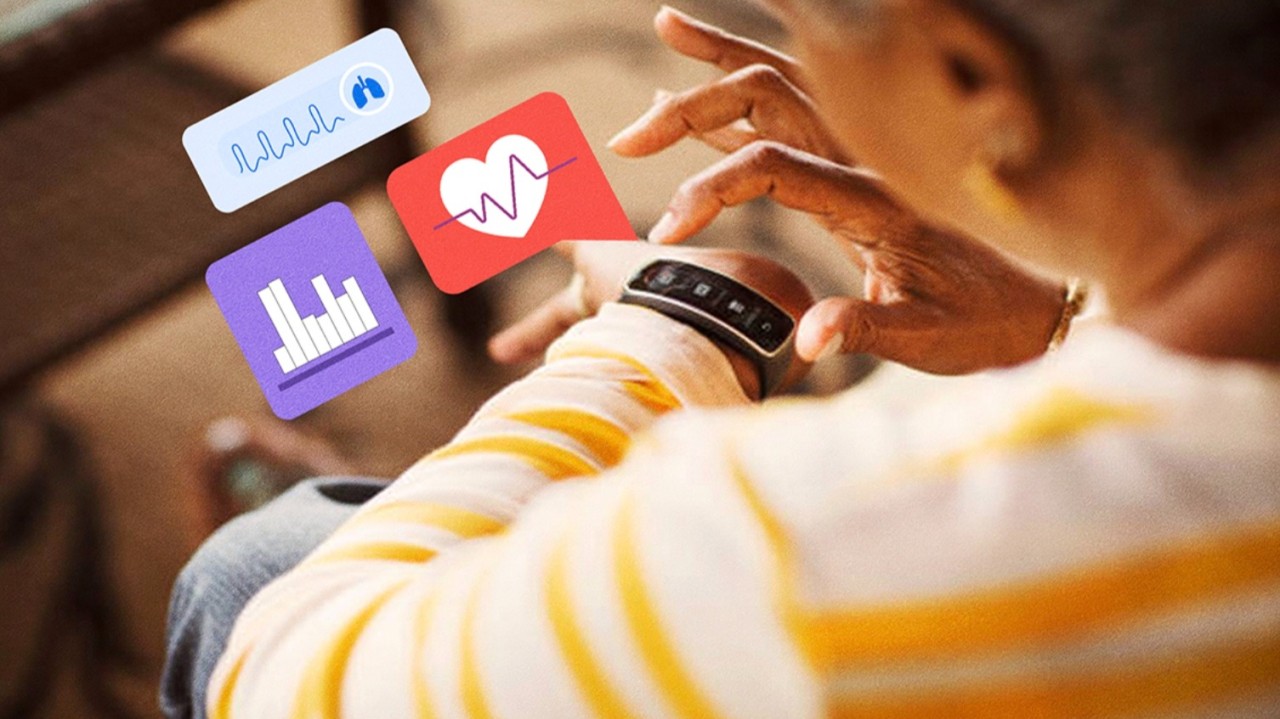
Devices like the Withings BPM Connect blood pressure cuff, Dexcom’s continuous glucose monitors, and a handful of Bluetooth pulse oximeters now send readings straight to an app or a care team, no notebook required. Where AI comes in is the pattern-reading part. Instead of looking at today’s number by itself, the system looks at eight weeks of numbers together and catches a slow climb in blood pressure that wouldn’t raise an eyebrow on any single day.
Remote patient monitoring programs built around this kind of data have become fairly standard for managing diabetes, heart failure, and COPD from home. A nurse or care coordinator typically reviews whatever gets flagged and calls the patient directly, and several published studies have linked this approach to fewer avoidable hospital readmissions.
Fall Detection That Doesn’t Need a Camera
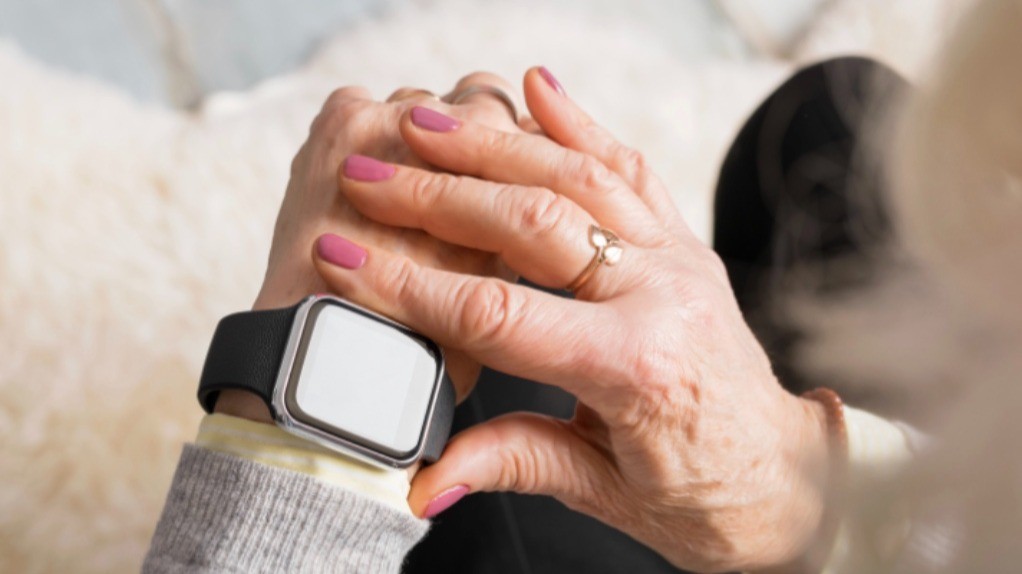
The push-button pendant your grandmother wore is basically obsolete at this point. An Apple Watch uses its built-in motion sensors to recognize the specific way a body moves during a hard fall, then calls for help on its own if you don’t respond within about a minute. Vayyar Care takes a different approach and mounts a radar sensor on the wall instead, which can detect a fall anywhere in the room without a camera or video feed involved at all.
Some of these systems will also flag something less obvious: nobody moving between rooms at the times they normally would. That’s not necessarily a fall. Sometimes it’s a stroke, or the flu, or someone who just doesn’t feel like getting out of bed and needs a phone call to check. Either way, the goal is making sure six or eight hours don’t go by unnoticed, not tracking every step someone takes.
Medication Tools That Notice Patterns, Not Just Misses
Missed medication sends a lot of older adults to the hospital, and most of it is preventable. Hero and MedMinder both sort pills into locked compartments that release on schedule and text a caregiver the moment a dose gets skipped. The more useful versions of these systems look further out than a single miss. Skipping Tuesday’s dose usually isn’t a crisis. Skipping four doses over ten days is a different story, and that’s the kind of pattern these tools are built to catch.
Learning Someone’s Daily Rhythm
This is the newest category, and honestly the one families are still figuring out how they feel about. CarePredict uses small wearable sensors and a few in-home devices to build a picture of someone’s normal day over a few weeks: what time they usually get up, how often they head to the kitchen, how long a typical bathroom visit runs. Once that baseline exists, the system can flag a real deviation, like someone spending three times as long in the bathroom as usual or barely leaving the bedroom for two straight days.
These alerts usually show up as a daily or weekly summary rather than a constant buzz of notifications, with anything urgent surfaced right away. No cameras, no audio, nobody reviewing footage after the fact. Just a pattern shift worth a phone call.
AI Companions You Can Actually Talk To
There’s also a newer category of devices meant to hold something closer to an actual conversation, offer some company for someone who spends a lot of hours alone, and deliver medication reminders that sound less like a beeping timer. ElliQ, made by a company called Intuition Robotics, is the best-known example. It sits on a table, starts conversations without being asked, suggests things to do, plays music, and checks in throughout the day on its own. A word of caution though: these devices help fill quiet hours, but if a product is being sold as a replacement for actual human contact, that’s a stretch, and families should treat that claim with some skepticism.
Hearing Aids That Do Far More Than Amplify
This might be the most underrated category on this whole list. Starkey Genesis AI and Oticon Intent both run onboard processing that separates a voice from background noise in real time, which sounds minor until you’ve watched someone struggle to follow a conversation at a crowded family dinner. Starkey’s higher-end models go further and pack in fall detection, step counting, and a log of how many minutes someone spent in actual conversation that day, which some care teams treat as a rough stand-in for social engagement. Jabra Enhance offers a cheaper entry point into the same category and can be bought directly, no audiologist visit required.
Bed Sensors That Watch You Sleep Without a Wearable
Emfit QS and the sensors used by EarlySense slide under a mattress and track heart rate, breathing rate, and movement through the night, no strap or wristband involved. That matters for someone managing heart failure or sleep apnea, since a concerning overnight pattern can get caught without waking anyone up to check. Some versions will also send an alert if someone gets out of bed and doesn’t come back within a set window, which can catch a fall that happened somewhere a camera or wearable never would.
Catching Financial Scams While There’s Still Time
Financial exploitation doesn’t get talked about nearly as much as falls or missed pills, but it wrecks families just as badly, sometimes worse. EverSafe watches a senior’s bank and credit accounts for the kind of activity that usually signals a scam, a sudden large transfer, a new account nobody explained, and sends an alert straight to a family member instead of waiting for a bank statement to reveal the damage weeks later. Big banks are adding similar fraud detection into their own apps, though a dedicated third-party tool tends to catch more since it’s watching several accounts at once instead of just one institution’s slice of the picture.
Getting Around Vision Loss
OrCam MyEye clips onto a pair of glasses and reads text out loud from whatever’s in front of it- a book, a restaurant menu, a piece of mail- and can also recognize faces and identify everyday objects. For someone dealing with macular degeneration, that’s not a novelty. That’s being able to read your own prescription label without asking your daughter to do it for you.
Questions Worth Asking Before You Buy Any of This
A handful of honest questions will save you from most of the marketing noise:
- Does this solve a real problem this specific person has, or does it just sound impressive on a product page?
- Are we talking about motion or radar sensors here, or is there an actual camera recording video somewhere?
- Who can see the data this thing collects, in plain English, not buried on page nine of a terms of service page?
- Does this company have a track record, and do they say anywhere how long they keep your data?
- Is a real person looking at these alerts, or does it just fire off a notification with nobody checking?
The Part Families Tend to Skip Over
AI monitoring brings up real questions about privacy and control, and it deserves an honest conversation rather than getting waved off. If your parent is still capable of making their own decisions, they should be part of deciding what gets watched and why, full stop. Quietly wiring a house with sensors while Dad has no idea what’s going on, even with the best of intentions, tends to blow up trust the moment he finds out. The setups that hold up long term are almost always the ones where the senior had a say in choosing the tool, not the ones where it just showed up installed one day.
The Short Version
- AI health monitoring looks at trends over weeks, not a single bad reading.
- Fall detection from the Apple Watch or Vayyar Care works without a camera in sight.
- Good medication tools tell a one-off miss apart from a real pattern building up.
- Routine monitoring is meant to back up family caregiving, not take it over.
- Hearing aids like Starkey Genesis AI now handle fall detection and step counts, not just sound.
- Bed sensors like Emfit QS track heart rate and breathing overnight with nothing to wear.
- Tools like EverSafe are built to catch financial scams targeting older adults.
- Pick tools that are upfront about their data, and get the senior involved in the decision.
Frequently Asked Questions
How does AI fall detection work without a camera?
Devices like the Apple Watch use built-in motion sensors, and systems like Vayyar Care use wall-mounted radar to recognize the physical motion of a fall directly. Neither one records video or audio. Once a fall is detected, an alert goes straight to a caregiver or a monitoring center.
Does AI health monitoring mean someone can skip regular doctor visits?
No, and nobody building these tools would tell you otherwise. The goal is giving a care team visibility into what’s happening between appointments, like a slow rise in blood pressure or a string of missed doses, so it gets caught sooner. Regular checkups still matter just as much.
What exactly is remote patient monitoring?
It’s a setup where a connected device, say a Bluetooth blood pressure cuff or a glucose meter, sends readings straight to a care team. Someone on that team, often with help from AI flagging unusual trends, follows up if something looks off.
Can this kind of technology pick up on memory or cognitive changes?
Some routine monitoring tools can flag things like unusual confusion around everyday tasks or a sharp drop in normal activity, which is worth bringing up with a doctor. That said, none of these tools diagnose anything. Anything they flag still needs an actual medical evaluation behind it.
Isn’t this kind of AI monitoring a little invasive?
It can be, if it gets set up without the senior knowing about it or agreeing to it. The better systems are built around privacy from the start, sensors instead of cameras, pattern summaries instead of raw footage, and they tend to work best when the senior helped choose the tool rather than having it installed around them without a say.
Can AI help stop financial scams targeting seniors?
Yes, tools like EverSafe watch bank and credit accounts for the kind of activity that usually signals exploitation, a sudden large transfer, a new account nobody can explain, and alert a family member right away instead of letting it surface on a statement months later.
Do AI hearing aids do anything besides make things louder?
They do. Starkey Genesis AI and Oticon Intent both use AI to pull speech out from background noise, and some models add fall detection, step tracking, and a rough log of daily conversation time that a care team can use as one signal of how socially engaged someone is.