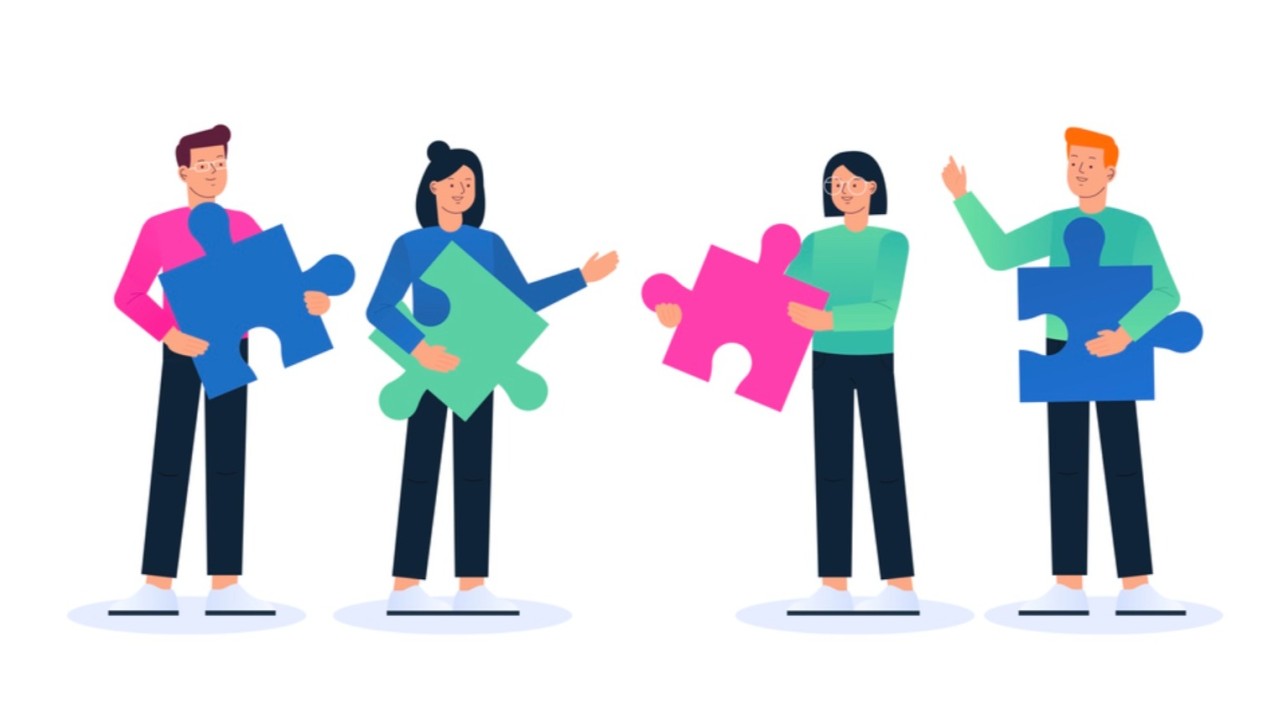



The Future of Aging Requires a More Connected Ecosystem
In Part 1 of this series, I looked at one of the biggest contradictions in aging today. We have more services, specialists, technology, community programs, and resources than ever before, yet older adults and their families are still largely responsible for figuring out how all of those pieces work together. This is not a problem we can solve by creating another directory, app, or individual service. The next evolution of aging requires us to rethink how organizations across the aging ecosystem connect with one another and, just as importantly, who helps an older adult navigate between them.
For decades, we have built expertise in separate areas. Healthcare became more specialized, senior living developed different levels of support, home care expanded, AgeTech emerged, and community organizations created programs around transportation, nutrition, social connection, and caregiver support. Each sector became more capable within its own area, but the connections between those areas have not developed at the same pace. That is where I believe the next opportunity lies.
Someone Has to Keep Track of the Whole Picture
One of the more difficult issues for the aging ecosystem is that many organizations participate in coordination, but very few are actually responsible for the whole picture. A primary care physician may make a referral, a hospital discharge planner may provide resources, a home care agency may identify a safety concern, a physical therapist may notice someone is struggling at home, and a senior center may recognize that a longtime participant has stopped attending. Each organization sees something valuable, but that information does not necessarily make its way to everyone else involved.
Eventually, much of the responsibility lands with the senior or the family. For some families, this works reasonably well. They may have adult children nearby with the time, knowledge, and ability to manage appointments, transportation, household needs, medical information, and other responsibilities. Increasingly, however, we cannot assume that every older adult has that kind of support. Families are smaller, adult children often live hundreds or thousands of miles away, and many are working full time while raising children or managing other responsibilities. Some older adults have no children or close relatives at all.
If coordination is important to successful aging, we need to stop treating it primarily as an informal family responsibility. That does not necessarily mean creating a single new profession responsible for every aspect of someone’s life. It does mean being much clearer about who is keeping track of the larger picture and making sure someone actually is.
A Referral Is Only the Beginning
One of the most common gaps in aging services occurs after someone receives a referral. A physician recommends physical therapy, a social worker provides the name of a transportation program, a hospital gives a family a list of home care agencies, or a senior center recommends a meal program. From the organization’s perspective, the appropriate information has been provided. From the family’s perspective, the work may just be beginning.
The provider may not be accepting new clients. The transportation service may not operate in the person’s neighborhood. The senior may not meet the income requirements for the program. Insurance may not cover the service, or the family may call several times without reaching anyone. Even when a service is available, the senior may decide it is not something they are comfortable using.
A more connected aging ecosystem needs to distinguish between giving someone information and successfully connecting them with support. That means finding out whether contact was made, whether the resource actually addressed the need, and what other options exist when it did not. Closing that loop sounds simple, but it would significantly change the experience for many families.
Information Needs to Move With the Person
Another challenge is that information lives in too many places. Healthcare information may be spread across several medical systems. Medication information sits with physicians and pharmacies. Home care agencies maintain their own records. Family members keep notes in texts, emails, spreadsheets, notebooks, and calendars. Community organizations maintain separate enrollment and service information.
The older adult becomes the common denominator among all of these systems and is often expected to provide the same information repeatedly. Technology should eventually make this easier, but the answer cannot simply be another portal that someone has to remember how to use.
A better approach would give older adults practical control over essential information and allow them to share appropriate information with the people helping them. That might include current medications, emergency contacts, healthcare providers, upcoming appointments, transportation arrangements, household services, and the names of people authorized to assist.
Privacy is obviously important, particularly when medical and financial information is involved. Not everyone helping someone should have access to everything. At the same time, keeping important information scattered across multiple organizations and family members creates its own risks. A more connected system has to find a better balance between protecting information and making sure the right people have what they need.
Aging Happens Locally
National healthcare systems and technology companies receive much of the attention when we talk about the future of aging, but most of the practical challenges of aging are local. People experience aging in their homes, neighborhoods, and communities.
Someone may need a reliable person to repair a loose handrail, transportation to a medical appointment ten miles away, help with yard work, an exercise class appropriate for their mobility level, or someone who can fix a computer. They may need meal delivery for a few weeks after surgery or a way to continue attending church after they stop driving. These needs can have an enormous impact on independence even though they have little to do with traditional healthcare.
This is why local aging networks deserve much more attention. Senior centers, libraries, faith communities, volunteer organizations, local businesses, parks and recreation departments, transportation programs, nonprofits, and neighborhood groups can all contribute to someone’s ability to remain independent. Many communities already have an impressive collection of resources, but seniors and families often discover them only by chance.
Instead of thinking only in terms of healthcare networks, we should also be thinking about local networks of aging support. Healthcare would be part of that network, but so would transportation, housing, nutrition, home maintenance, social connection, technology, and community participation. That is much closer to how people actually live.
Healthcare Needs a Better Bridge to Everyday Life
Healthcare will always be an important part of the aging ecosystem, but we need stronger connections between medical recommendations and what happens when someone goes home.
Consider something as straightforward as a physician telling an older patient to exercise more. The recommendation may be exactly right, but whether the patient follows it depends on several practical questions. Can they safely walk in their neighborhood? Are they afraid of falling? Do they have transportation to an exercise program? Is there an appropriate class nearby? Can they afford it? Most importantly, is it an activity they are actually willing to continue?
Nutrition presents the same challenge. A physician may recommend dietary changes, but that advice has limited value if someone no longer drives to the grocery store, has difficulty cooking, cannot afford certain foods, or has lost interest in preparing meals because they eat alone every night.
None of this means physicians should become transportation specialists, nutrition coordinators, or community resource experts. It means there needs to be a better bridge between healthcare and the organizations that can address those practical barriers. If healthcare is going to increasingly recognize the importance of social factors in health, the aging ecosystem needs reliable ways to respond to those factors outside the doctor’s office.
Technology Should Reduce Complexity, Not Add to It
Technology has tremendous potential to make aging easier. Sensors can detect changes in movement, wearables can track health information, smart home systems can automate lights and locks, medication systems can provide reminders, and voice technology can make everyday tasks easier. Artificial intelligence is also creating new opportunities to identify patterns and organize information that would otherwise be difficult to manage.
The problem is that technology can also create another layer of fragmentation. A family may end up with one application for healthcare, another for medications, another for home security, another for transportation, another for family communication, and another connected to a wearable device. Instead of simplifying life, the technology creates several more systems that someone has to manage.
The next generation of AgeTech should focus much more heavily on making products work together and making technology easier to use. Technology should operate quietly in the background whenever possible rather than requiring an older adult or family member to constantly manage it.
We also need to recognize that older adults are no more alike in their relationship with technology than younger people are. Some seniors are highly comfortable with smartphones, smart homes, wearables, and artificial intelligence. Others prefer a telephone call and have little interest in learning another application. Many fall somewhere in between. Good technology should adapt to the person rather than requiring the person to adapt to the technology.
Artificial Intelligence Can Help Us Notice Changes Earlier
One area where artificial intelligence may become particularly useful is recognizing gradual changes that are difficult for families to see. Many issues associated with aging develop slowly rather than appearing overnight. Someone begins leaving home less frequently, sleep patterns change, walking becomes slower, meals become irregular, appointments are forgotten, bills are paid late, or social activities gradually disappear from the calendar.
Any one of these changes may mean very little. Several happening together may suggest that something deserves attention. With appropriate consent and privacy protections, technology could help identify those patterns earlier and bring them to someone’s attention.
The important distinction is that technology should provide information rather than make assumptions about what that information means. A system may recognize that someone who normally leaves home four times a week has barely gone out for a month. It cannot automatically know whether that change is related to health, transportation, grief, weather, fear of falling, or simply a personal choice.
Technology can identify the change. Understanding what is behind it still requires a conversation.
We Need a Broader Definition of Successful Aging
The aging ecosystem also needs to think differently about how we measure success. Healthcare understandably measures hospitalizations, readmissions, clinical outcomes, medication adherence, and other medical indicators. Senior service organizations may measure participation, utilization, or the number of people served. These are useful measures, but they do not fully tell us whether someone is living well.
We should also be asking whether someone feels in control of their life, whether they remain connected to other people, whether they continue participating in activities that matter to them, whether they have reliable transportation, and whether they know where to turn when they need help. These measures are harder to capture, but they matter to the people we’re trying to support.
We also need to look at what successful aging is requiring from the family. A senior may appear to be doing very well at home because every need is being met, while an adult child is spending 20 or 30 hours a week coordinating everything behind the scenes. If the system works only because an exhausted family member is holding it together, that is not a particularly sustainable model. We have not eliminated the burden. We have simply moved it.
Planning Needs to Start Earlier
Many families discover the aging ecosystem after something has already happened. There is a fall, hospitalization, new diagnosis, driving incident, death of a spouse, or sudden change in someone’s ability to manage everyday life. At that point, the family is expected to learn an unfamiliar system while making important decisions under pressure.
There is a better way to approach this. We have normalized retirement planning decades before someone retires. People think about savings, investments, Social Security, and where they might live. We should become equally comfortable talking about the practical side of aging.
What happens if driving becomes difficult? Is the current home realistic for another 15 or 20 years? Who lives nearby? How strong is the person’s social network? What technology could make life easier? Which activities are especially important to preserve? Who would help coordinate things if health changed? What kinds of assistance would the person be comfortable accepting?
These are not conversations about decline. They are conversations about maintaining choices. Discussing them earlier allows older adults to have a much stronger voice in decisions about their future and gives families time to understand their options before something becomes urgent.
Collaboration Needs to Mean More Than Referrals
Nearly every organization serving older adults talks about partnerships, but real collaboration needs to go further than exchanging referrals. Organizations should understand how their services fit together, know which trusted resources can address needs outside their expertise, and have appropriate ways to communicate when circumstances change.
More importantly, the measure of success should not simply be whether an organization provided its particular service. The better question is whether the person’s need was actually resolved.
That changes the way we think about responsibility. A transportation provider does not need to solve a healthcare problem, and a physician does not need to find a handyman. But within a stronger local network, each should have a clearer understanding of where their role begins, where it ends, and where someone can turn next.
The Aging Ecosystem Needs a Simpler Front Door
Families are often expected to understand the language of aging services before they can navigate them. They encounter terms such as home care, home health, skilled nursing, assisted living, geriatric care management, palliative care, hospice, Medicare, and Medicaid. Professionals understand the differences because they work with these systems every day. Families often encounter them for the first time when something has already gone wrong.
People should not need to become experts in the aging industry before they can find help. They should be able to describe what is happening in ordinary language. “My mom is doing pretty well, but I’m starting to worry about her.” “My dad stopped driving and hardly leaves the house anymore.” “My parents want to stay home, but the house is becoming difficult for them to manage.” “I live three states away and don’t really know how they’re doing.”
Those are the questions people actually bring to the aging ecosystem. A better system would make it much easier to start there and then guide people toward the appropriate resources.
Building a More Connected Future
I do not think the future of aging will be defined by one breakthrough technology, one new healthcare model, or one type of senior service. The opportunity is much broader. Healthcare needs better connections to community resources. Technology needs to work across systems rather than creating additional silos. Local organizations need stronger relationships with one another. Families need somewhere to turn before they become overwhelmed, and older adults need to remain at the center of decisions about their own lives.
We also need to remember what all of this is intended to accomplish. The goal is not simply to keep someone in their home or make sure every appointment is completed. Home safety, medication management, transportation, medical care, and technology are important because they support something larger: a person’s ability to continue living the life they want to live.
There will certainly be areas where we need more services as the population ages. But simply adding services to a fragmented system will create a larger system for families to navigate. The greater opportunity is to improve the connections between the expertise and resources we already have.
There are extraordinary people working throughout the aging ecosystem today. Healthcare professionals, senior living providers, home care professionals, nonprofit organizations, technology companies, local businesses, community groups, volunteers, and families are already doing much of the work required to support an aging population. What is still missing is a consistent way to bring those resources together around the individual.
A more connected aging ecosystem would not take control away from older adults. Done well, it would do the opposite. It would make it easier for people to understand their choices, find the right support when they need it, and continue making decisions about how they want to live. That is the direction I believe the aging ecosystem needs to move, and it is a much broader definition of successful aging than simply remaining at home for as long as possible.